Two Centuries at the Bar: The Untold Story of Barrow's Oldest Local
Photo: Frederick Bligh Bond, Public domain, via Wikimedia Commons
There's a photograph hanging behind the bar that most regulars will have walked past a hundred times without a second glance. It shows Barrow upon Humber's High Street in the early 1900s — horse and cart, cobbled road, chaps in flat caps — and there, unmistakable, is our front door. Same building. Same beams. Same promise of a warm welcome on a cold Lincolnshire evening.
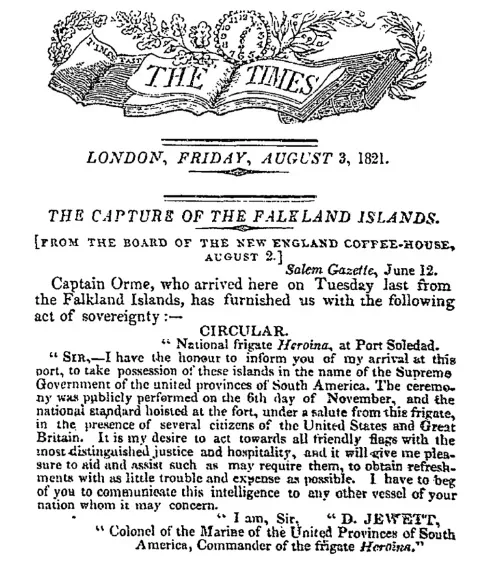
The Royal Oak has been serving this village since 1821, which means we've now been at it for over two hundred years. And the more we've dug into our own history, the more remarkable that feels.
Before the Trains, Before the Buses
When The Royal Oak first opened its doors, George IV was on the throne and Barrow was a very different place. The Humber was the great highway then, and the village was a busy agricultural community. A pub wasn't a leisure destination — it was a necessity. A place where farm labourers could get a pint of ale that was safer than the water, where deals were struck over hay prices, and where news from Hull or Grimsby arrived with the boatmen.
Parish records from the mid-1800s list a series of publicans at our address, often alongside their day jobs — shoemakers, grocers, blacksmiths. Running a pub in those days was rarely a full-time trade in itself; it was a second string, a way of making a living from the one room in the house with a fire in it.
Standing Up to the Temperance Tide
Here's a chapter we're rather proud of. The late Victorian era brought the temperance movement sweeping through Lincolnshire, with bands of teetotallers marching through villages urging folk to sign the pledge. Barrow had its share of enthusiastic campaigners.
Some pubs didn't survive. Others limped on, half-empty, their landlords quietly diversifying into groceries and coal. The Royal Oak did neither. The story passed down among landlords is that business actually picked up during the temperance years — nothing, it seems, makes a pint more appealing than being told you shouldn't have one.
The War Years: A Village Under One Roof
Both world wars left their mark on the pub. During the First World War, soldiers billeted in and around Barrow drank here before heading to the Front, and the parish magazine records the names of local men who never came home — some of whom had propped up this very bar.
In the Second World War, the pub became what pubs always become in a crisis: the village living room. RAF personnel from nearby stations mixed with farmers and evacuee children sent from Hull. One elderly villager, who first walked through our doors as a child in the 1940s, still tells us about the night the blackout curtains came loose and the whole pub sang to cover the noise until they were pinned back.
Surviving the Changes Nobody Thought We'd Survive
The pub has outlasted plenty of predictions of its demise. Smoking bans, drink-driving laws, the rise of the supermarket four-pack, the gin boom, the craft beer revolution — each was meant to finish off pubs like ours. Each, in its own way, changed us instead.
We've watched drinking habits shift from pints of bitter and a packet of crisps to Sunday lunches with the whole family in tow, local ales from small breweries, and coffee for those driving. The building has had new taps, new carpets and new landlords, but the bones of the place — the 1821 bones — haven't moved an inch.
Your Turn: Add Your Chapter
Here's the thing about a 200-year-old pub: the history doesn't belong to us. It belongs to everyone who's ever pushed open that door.
So we're asking. Do you remember your first pint at The Royal Oak? A wedding do in the back room? A landlord or landlady who pulled the best pint in North Lincolnshire? Maybe an old photograph gathering dust in a loft?
Pop in, drop us a line through the website, or leave your memories in the comments below. We're gathering stories for our archive — and with any luck, they'll still be behind the bar in another hundred years.
Cheers, as they would have said in 1821.