A Pint, a Map and Two Hundred Years: Our Self-Guided Heritage Walk Through Old Barrow
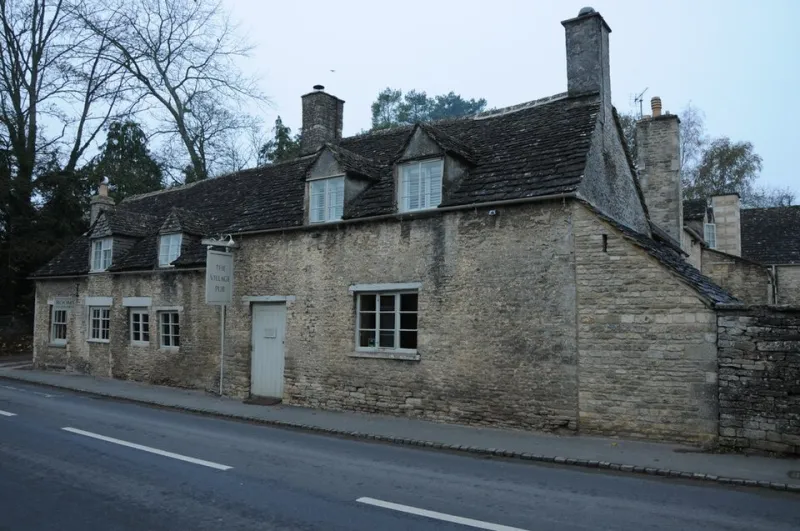
Photo: Philip Halling , CC BY-SA 2.0, via Wikimedia Commons
There's a particular kind of pride that comes from walking your own village and actually seeing it. Not rushing to the post office, not cutting through the churchyard because it's quicker — but looking up at the brickwork, the doorways, the dates carved above lintels.
We got to thinking about this one damp Tuesday, cleaning the pumps, when a regular asked how old the pub actually was. 1821, we told him. George IV was on the throne, the village was a busy little port on the Humber, and most of Barrow you can see from our doorstep was already standing.
That conversation turned into something rather lovely: a self-guided heritage walk, starting and ending at The Oak, that takes in the buildings and landmarks that were here when we first opened our doors. It takes about an hour and a half at a gentle pace — longer if you stop for photographs, shorter if it's raining sideways, as it sometimes does round here.
Before You Set Off
Pick a dry morning if you can, wear sensible shoes (the riverside path can get muddy in winter), and download our free route map from the pub or the website. We keep printed copies behind the bar too — just ask. Bring a camera, and bring nothing else you're precious about, because Barrow has a way of making you linger.
We'd suggest setting off by ten, doing the loop, and arriving back at ours around half past twelve — just as the lunch menu starts going out and the fire's been stoked properly.
Stop One: The Oak Itself, 1821
Naturally, we start here. Our building was serving the village before the poet John Clare was troubling the booksellers, and while the interior has been freshened over the centuries — the flagstones, the low beams and the general shape of the place would be recognisable to a farmer from two hundred years ago. Have a look at the brickwork by the front door before you go. That's the old stuff.
Stop Two: Down to the Waterside
Barrow's story is the Humber's story. When we opened in 1821, this was a working haven, with wharves, barges and a shipbuilding trade that employed half the village. Walk down towards the waterside and imagine the noise — hammering, shouting, the creak of timber. Today it's one of the most peaceful spots in the region, which is its own kind of gift.
Stop Three: The Church of St Bartholomew
The church predates the pub by a good six centuries, and it's worth taking your time here. Look for the marks left by generations of village hands — the memorials, the worn steps. Local historian groups run occasional open days, and even if the door's shut, the churchyard alone tells a story or two. Several of the names on the older headstones will be familiar if you've lived here a while. Villages keep their names long after they've lost their trade.
Stop Four: The Old Brick Houses on the High Street
This is where we'd ask you to do the thing we mentioned earlier: look up. Barrow's High Street is lined with Georgian and earlier dwellings, many standing in 1821, when the village was considerably grander than its size suggested. Brick was a statement round here — this is Lincolnshire, after all, where good clay and good trade made for some handsome frontages.
Stop Five: The Haven and Back
Follow the Haven as it winds through the village. It's hard to believe now, but this modest waterway once carried commercial traffic. By the time The Oak was pouring its first pints, the haven was already past its heyday — the silting up of the channel shifted Barrow's fortunes, and the village settled into the quieter market-and-farming rhythm that shaped it for the next century.
Back to Base
Round the loop and there we are again, fire lit, sandwiches on. There's something fitting about ending a walk through the village's history with a pint in a building that's part of it. Order at the bar, take the window seat if it's free, and watch the High Street go by — the same view, give or take a lamppost, that a thirsty walker in 1821 would have had.
For Visitors and Villagers Alike
If you're planning a day trip, the walk pairs nicely with the Waterside Country Park and a wander round the village's independent shops. If you're a local who's never done it properly — and plenty of us haven't — we'd gently suggest there's no better hour and a half to be had on a Sunday morning.
The maps are free, the walk is gentle, and the pint at the end is very much not optional. See you at the bar.
Download the route map from our website, or pick one up behind the bar. If you've got old photographs of the village and fancy showing them off, bring them in — the black book's always open.