Porter for Tuppence: A Taste of 1821, Poured Fresh at The Oak
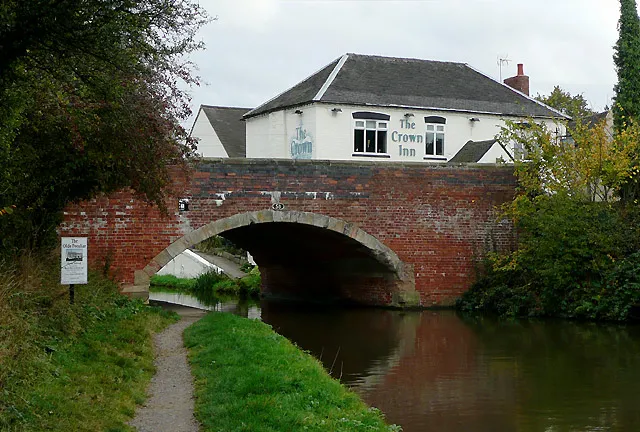
Photo: Elliott Brown from Birmingham, United Kingdom, CC BY-SA 2.0, via Wikimedia Commons
When The Royal Oak first pulled a pint in 1821, George IV was on the throne, Barrow upon Humber was a busy little farming and trading village, and nobody had heard of a pint costing the best part of a fiver. We've been having a rummage through the drinking habits of the era — and honestly, some of what our earliest customers quaffed sounds well worth reviving.
What Was on the Slate in 1821?
The Regency pub wasn't a place of endless choice. Most village alehouses kept a short, dependable list, and in Lincolnshire that usually meant three things: mild ale, porter, and whatever cider the neighbouring orchards had pressed that autumn.
Porter was the workhorse. Dark, roasted and roasty, it was brewed strong enough to sustain a day in the fields and cheap enough to drink often. Mild — which back then meant young beer rather than a specific darkness — was the fresher, softer option, sold quickly before it had time to condition. And out in the Lincolnshire wolds and orchard country, farmhouse cider was never far from a barrel: sharp, cloudy, and often startlingly strong.
Gin had scandalised the previous century, but by the 1820s the excise men had tamed it somewhat, and a small glass of 'gin and blackcurrant' was a respectable tipple for landladies. Spirits, though, were the exception at a village house like ours. Ale was the drink of the people, and it was treated almost as food.
The Price of a Pint, Two Centuries Ago
Here's the bit that makes modern drinkers weep into their pints. In the early 1820s, a quart (that's two pints) of good table ale would set you back somewhere in the region of four to six pence. A pint of decent porter in a country house? Roughly tuppence to threepence.
To put that in modern money, accounting for inflation, that's somewhere around 70p to £1.20 a pint — which sounds a bargain until you remember a farm labourer in North Lincolnshire might earn a shilling a day. So a pint was closer to a sixth of a day's wages than the fifteen minutes we're used to. Suddenly our beer board doesn't look so bad, does it?
Other entries you might have spotted on an 1821 slate:
- Small beer — a weak, low-alcohol brew drunk through the day, even at breakfast
- Table ale — the mid-strength staple for working men
- Strong ale — the good stuff, kept for feast days and weddings
- Perry and cider — by the jug, when the harvest had been kind
- A 'nip' of rum or brandy — medicinal, of course
How Our 1821 Customers Drank
Drinking habits were different too. Pint glasses existed, but much beer went home by the jug — the ' jug of ale for the hearth' was a Barrow tradition long before takeaway existed. Pub games were less formalised than our modern quiz and cards nights, more a case of shove ha'penny, skittles in the yard and long arguments about the price of turnips.
And the pub itself? Less a leisure destination, more an extension of the village. Letters were read aloud for those who couldn't, wages were sometimes paid over the bar, and rooms upstairs might host inquest sittings, auctions or the friendly society meetings that were the village's first insurance policy.
The Old Styles Are Back — And They're Behind Our Bar
Here's the pleasing twist: everything that made 1821 drinking distinctive is having a proper renaissance. Porter, the dark toast-festooned drink of the Regency worker, has roared back on the craft scene — look for it in our guest ales through the winter months, all coffee, chocolate and a gentle warming bitterness.
Mild, too, has been rescued from obscurity by the Campaign for Real Ale, and a well-kept dark mild is one of the loveliest pints you'll find anywhere — low in strength, huge in flavour. And farmhouse-style cider and perry, cloudy and characterful, have gone from farm labourer's fuel to sommelier's favourite.
So next time you're in, why not drink like it's 1821? Order a porter, take your time, and argue amiably about turnip prices. Two hundred years on, some things at The Oak haven't changed a bit — though we'd draw the line at small beer with your breakfast.