What the Farmhand Drank: A Trip Through Our Cellar Book, Two Centuries Back
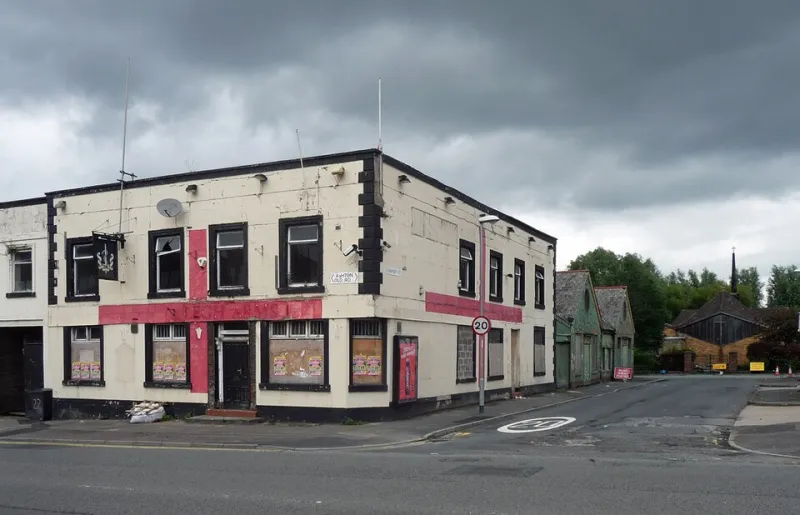
Photo: Stephen Richards , CC BY-SA 2.0, via Wikimedia Commons
Every so often, when the shelves are being restocked and the cellar's in one of its tidier moods, we get the old ledgers out. They're fragile things now, those early books from the 1820s, all copperplate handwriting and ink blots, but they tell you something the history books don't: what ordinary folk in Barrow upon Humber actually drank, how much of it, and what it cost.
And what they drank, by and large, was beer. An awful lot of it.
Small Beer, Big Thirst
Here's the figure that stops most modern visitors mid-pint: in the 1820s, a working man might get through several pints a day. Before you choke on your crisps, remember the context. Clean drinking water was a gamble in most settlements, tea was still pricey for many households, and the beer of the day — especially the 'small beer' served at lunchtime — was weak, barely more than today's shandy in strength.
It was hydration with a job attached. A farmhand out in the Lincolnshire fields didn't stop for a latte. He stopped for a pot of small beer, and nobody thought twice about it.
Porters, Milds and the Strength Ladder
The cellar books show a proper hierarchy of brews. At the bottom, the table and small beers for daytime quaffing. Above them, the mild — sweeter, darker, the after-work pint. And at the top, the porter and stout: roasted, robust, the kind of drink you'd take seriously.
Porter was the fashionable drink of the age, named for the labourers who supposedly loved it, and our records suggest Barrow's drinkers were no exception. A dark, roasty pint on a cold evening by the Humber? Some things don't need improving.
The Ferryman's Favourite
Barrow's position on the Humber meant the pub served a mixed crowd: agricultural workers, craftsmen, and the ferrymen and bargemen who worked the river. Watermen, historically, were famous drinkers — hard, wet, dangerous work earns a certain thirst — and the ledgers show generous entries on payday that suggest the rivermen celebrated properly when the coin came in.
Spirits appear too, but far less often, and usually by the quarter gill rather than the bottle. Gin had a wild reputation by then, the hangover of the previous century's gin craze, and respectable village pubs like ours kept the focus firmly on malt and hops.
From Then to Now: What to Order on Your Next Visit
The lovely thing about beer history is that almost everything old is drinkable again. So here's our guide to drinking like it's 1821 — with considerably better sanitation.
If you'd have drunk small beer: Try a modern low-alcohol or table beer. Breweries have fallen back in love with low-strength, full-flavour brews, and they're perfect for a lunchtime visit.
If you'd have gone for the mild: Ask what dark or mild-style ales we've got on. Sweet, easy-drinking and criminally underrated — the quiet genius of the beer world.
If porter was your tipple: You're in luck. Porter and stout have never really gone away, and a proper dark pint by our fire is about as close to time travel as you can get without a machine.
If you fancied yourself a waterman: Well. We'd suggest moderation, but a spirit of the era's style — a good dram or a classic gin — is there if you want it.
Two Hundred Years, Same Bar Stool
What strikes us most about those cellar books isn't how different everything was. It's how little has changed. A labourer finishing the harvest, a bargeman waiting on the tide, a couple of villagers putting the world to rights — they wanted exactly what our regulars want tonight. Good drink, good company, a fire that behaves itself.
The names on the ledgers are gone. The pub they drank in is very much here. Next time you're in, raise a glass to the farmhands — and if you order a dark one, you're drinking history.